
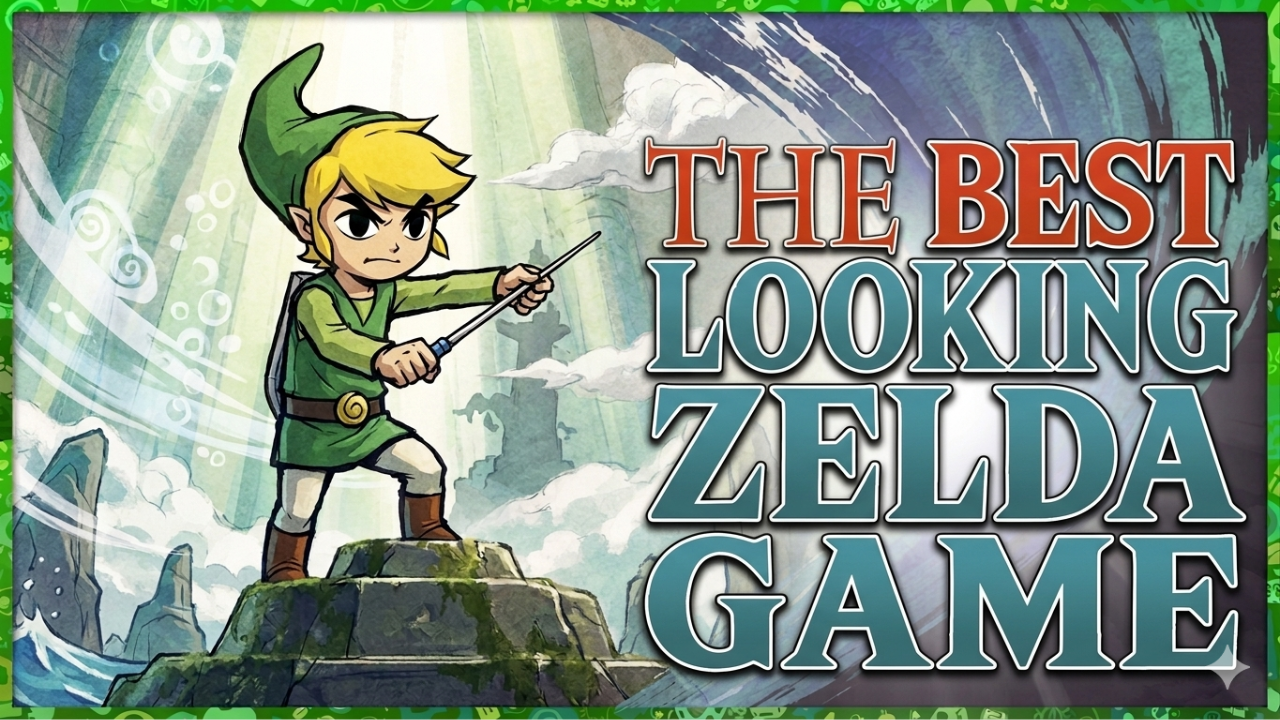
Welcome back to NintendoUp’s series of the five best Legend of Zelda games. Previously, we covered The Legend of Zelda: Skyward Sword at number five, and Twilight Princess HD at number four. If you haven’t watched those videos (or read those articles) yet, you may want to do so before or after this.
For now, let’s get right into the next installment in our series: The Legend of Zelda: The Wind Waker HD.
Overview
The Wind Waker was lucky it was announced before social media was a thing. That’s because it was initially met with intense scrutiny due to its cel-shaded art style—a clear departure from the two Nintendo 64 Zelda games, which were about as realistic as the Nintendo 64 could manage.
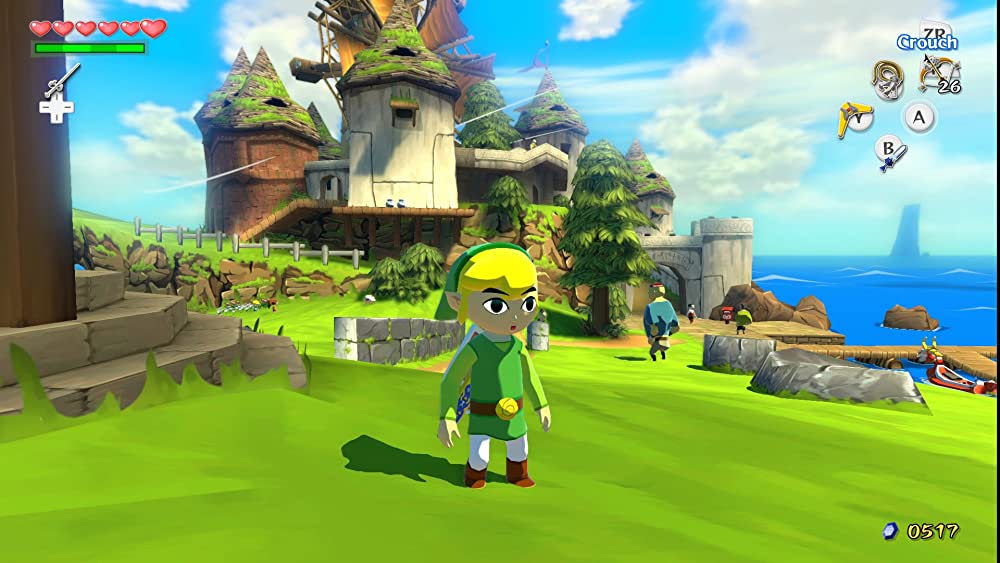
Over time, however, fans have come to love Wind Waker. And why not? It’s a vibrant, expressive game, with fun gameplay involving sailing the Great Sea like a pirate.
The storyline was good—maybe not as good as its predecessor Majora’s Mask (but then again, what is)—and exploring and discovering hidden islands, solving engaging puzzles, and sneaking around enemies all added up to making The Wind Waker an unforgettable installment in the Zelda franchise.
What’s more, the 2013 Wii U version only enhanced the experience, improving on some of the more annoying aspects of the 2003 GameCube original, giving gamers on the fence little excuse not to play the game.
Wii U Version Differences
The Wii U remaster of Wind Waker had some major updates.
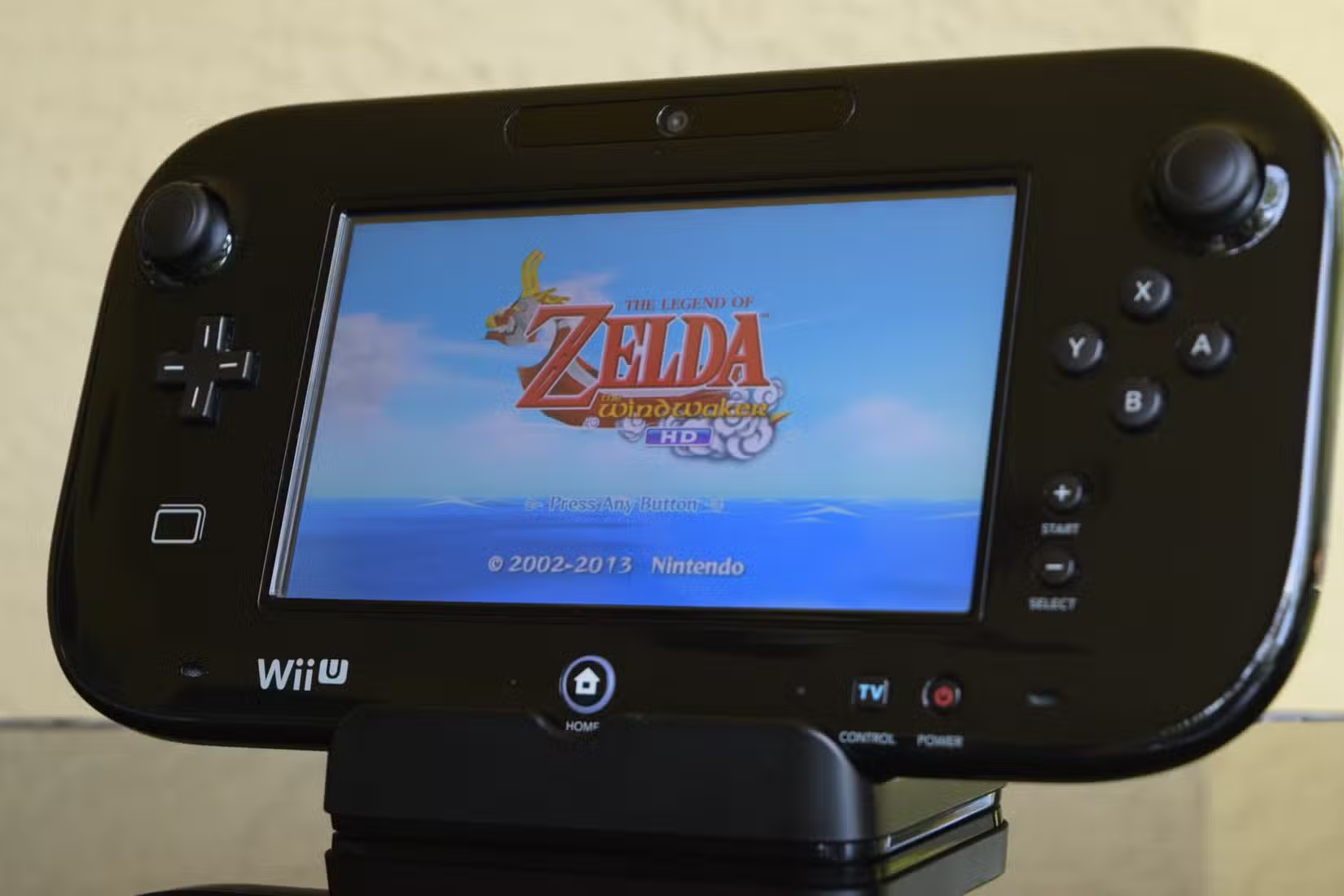
First of all, the graphics were bumped up to 1080p resolution, and a new lighting and shadow system was implemented. Some gamers didn’t like the excessive amount of bloom lighting in the Wii U version, but other additions like ambient occlusion and enhanced shadows were mostly positive. In addition, the UI was streamlined to free up the available screen space for gameplay.
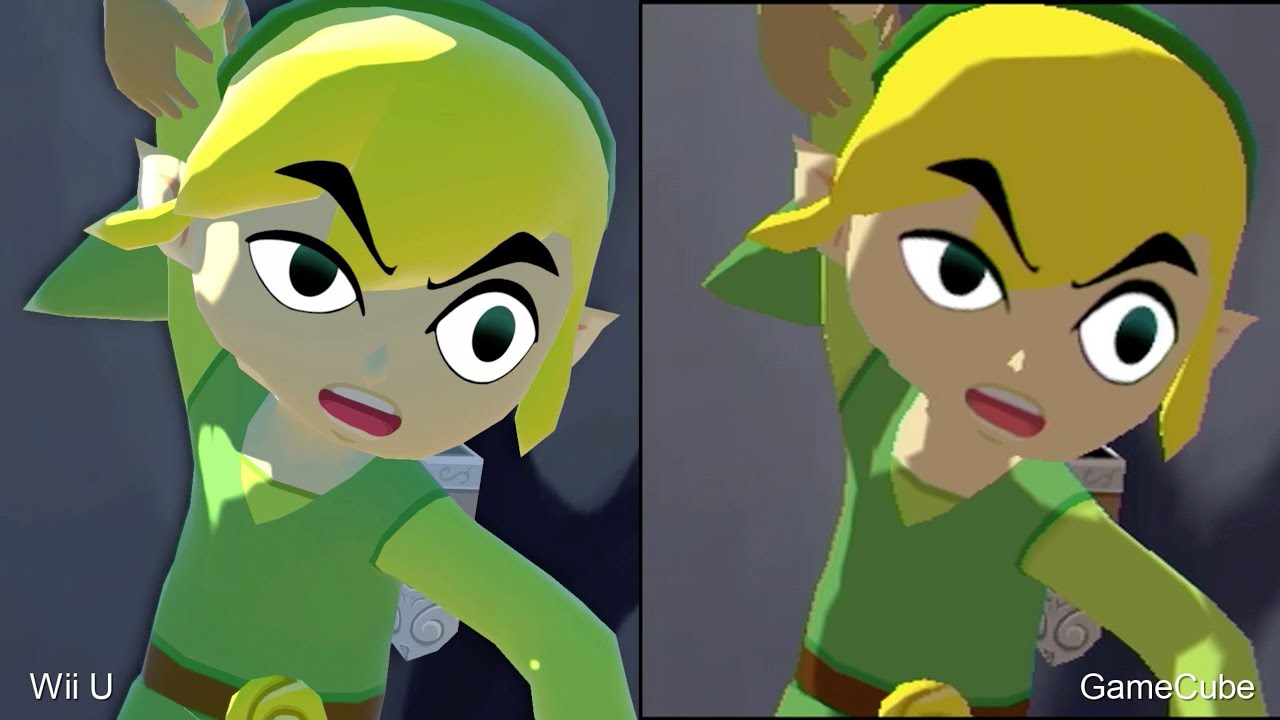
Having said that, the original GameCube game still holds up in 2026 graphically—especially if you can somehow upscale the game for HDTVs.
In terms of frame rate, both the GameCube and Wii U versions ran at 30 FPS, but the Wii U version was a bit more stable.
Gameplay-wise, the Wii U version was like a giant patch for the original GameCube game.
Faster sailing was finally available via the new Swift Sail item, which doubled the boat’s speed and changed the direction of wind automatically. Believe me—that was a huge and necessary quality-of-life update.
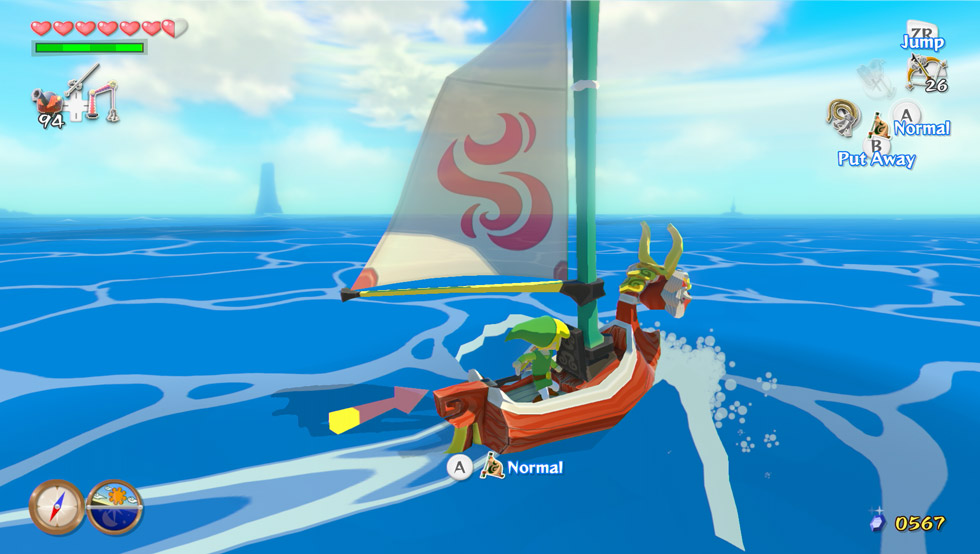
There was also faster text scrolling and loading times, and certain cutscenes like treasure salvaging were sped up. In addition, wind waker conducting was more forgiving than the GameCube game.
Also new in the Wii U version was gyroscope aiming, which made using the boomerang, bow, and hookshot quicker and more fun.
Most importantly, the Triforce Quest, which was the biggest complaint most people had with the original game, was improved by reducing the amount of Triforce charts you needed to decipher. That dramatically helped with the tedium of this late-game fetch quest.
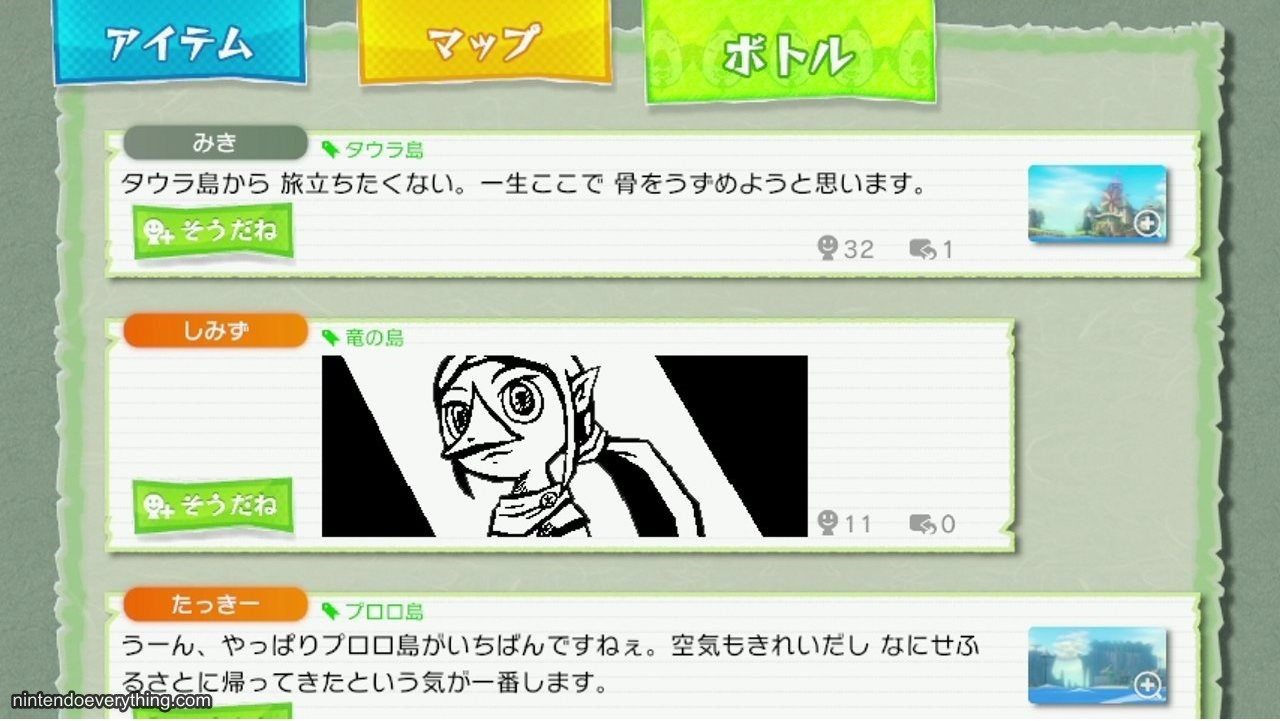
Wind Waker HD also had Miiverse support with the Tingle Bottle, which I really enjoyed. Unfortunately, Nintendo, in their infinite wisdom, decided Miiverse—the single best thing about the Wii U console—needed to be cancelled.
Story
The story begins on Outset Island, where a young Link lives a stress-free life with his grandmother and younger sister Aryll. Unfortunately, his sister is kidnapped by a giant bird (called the Helmaroc King), and taken to the Forsaken Fortress. Apparently, this bird thought Link’s sister was Princess Zelda—and that’s why she was targeted. Tough luck!
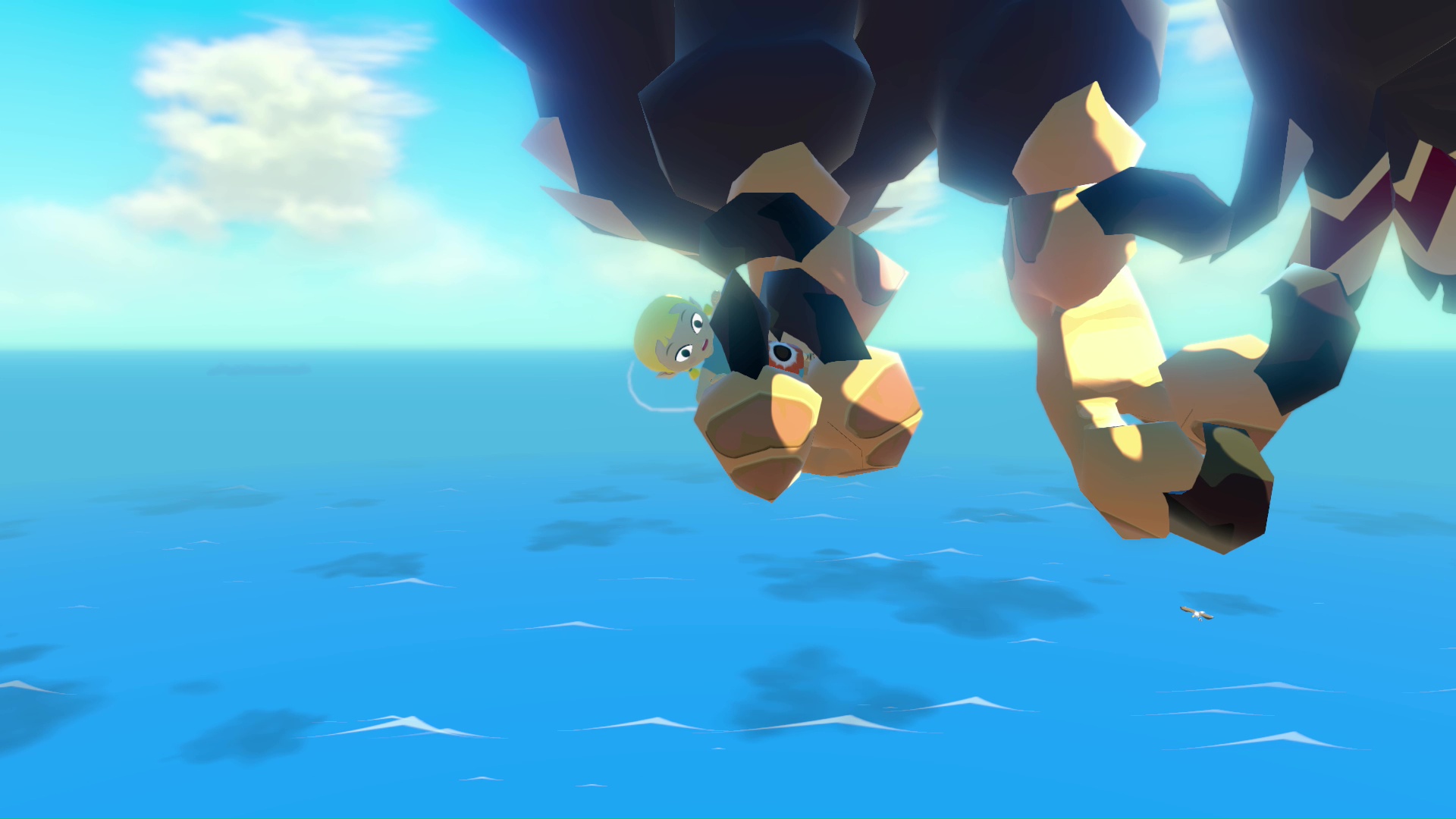
Link then teams up with the pirate captain Tetra to storm the fortress, but he’s ultimately defeated and thrown into the sea.
Link is rescued by a talking boat, The King of Red Lions, and sets out to collect three pearls from the guardian deities of the Great Sea. Link eventually collects the necessary junk and saves his sister, gets the master sword and confronts Ganondorf. Unfortunately, he finds that the sword is too weak to stop him in its current state.
So, Link then embarks on a journey to power-up the sword and battle Ganondorf once again to save the world.
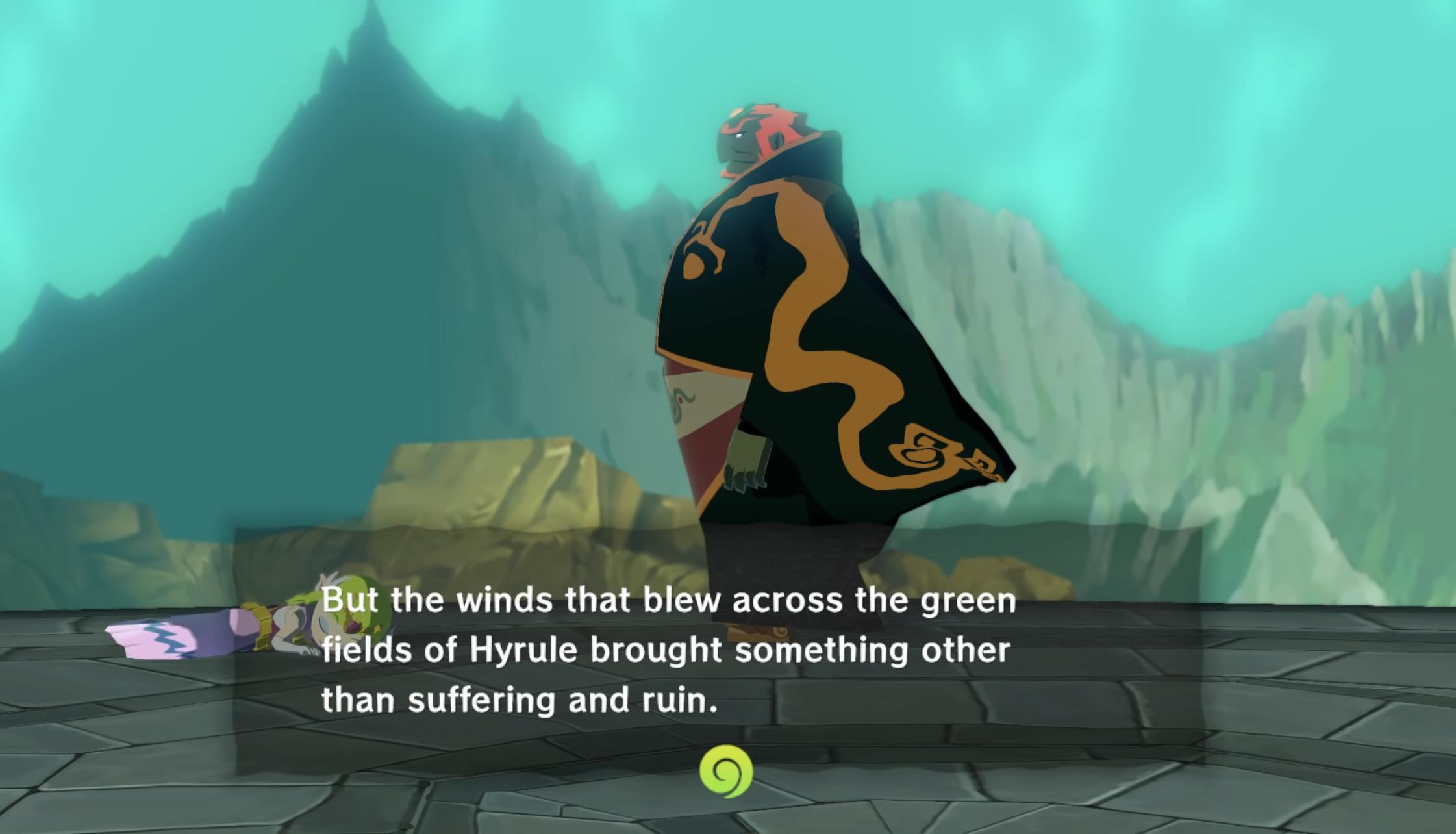
There are some twists and turns along the way, and you’ll find out that not every character is who they say they are.
Overall, it’s a good story, but I’d be lying if I said I preferred it over the Nintendo 64 Zelda games, or even Twilight Princess.
The Game World
The Wind Waker has one of the more unique over worlds in Zelda history. Instead of a field of land, you have a vast ocean full of islands. This setting influenced both the gameplay and story, allowing for a distinct sense of discovery and adventure.
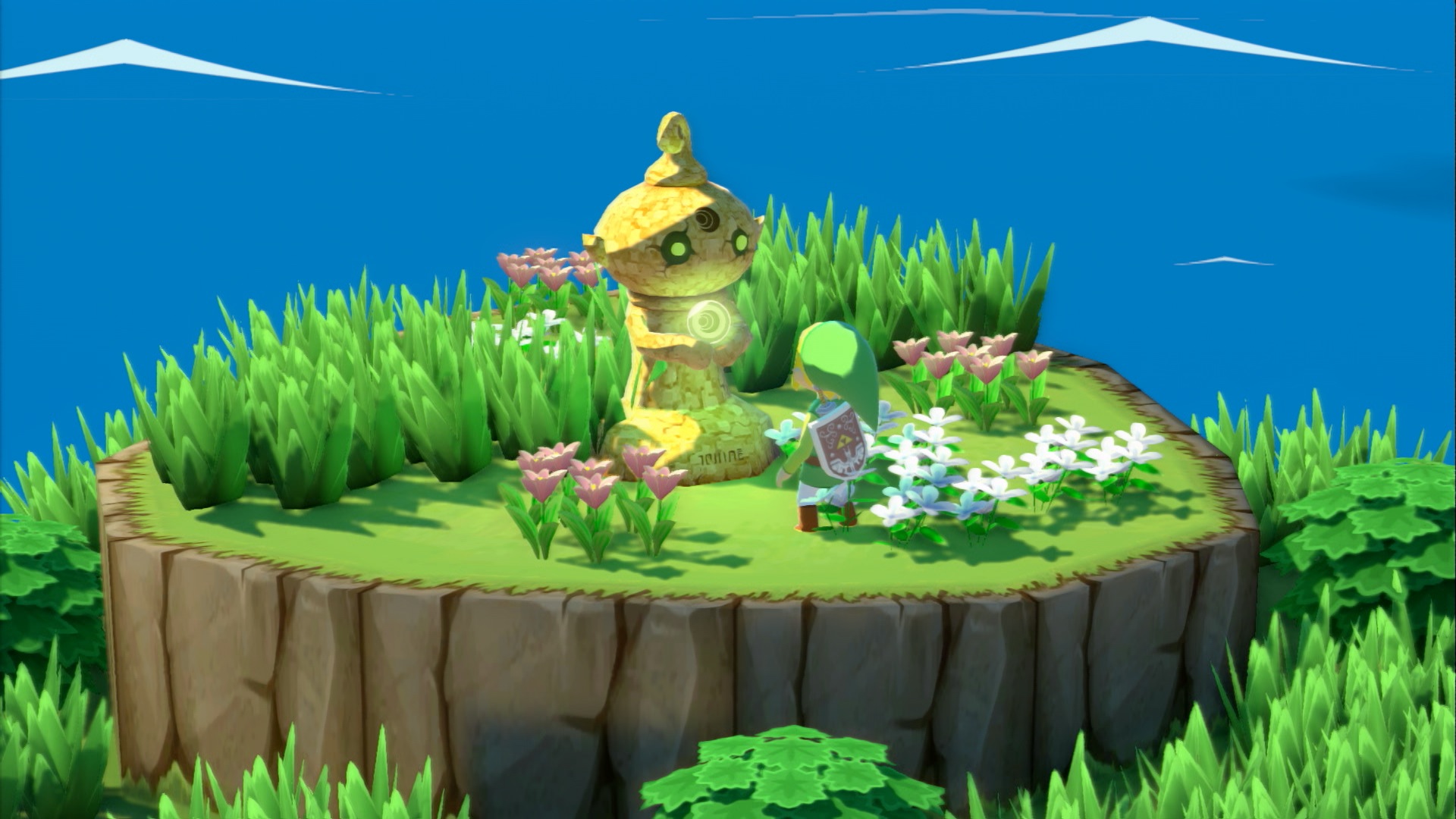
Wind Waker encourages freedom of exploration in the form of sailing, and there’s plenty of islands and settlements to discover. There’s also day and night cycles and weather effects like storms which enhance immersion. You can salvage treasure on the great sea, fight enemies, and enter towns or dungeons after discovering them with your boat.
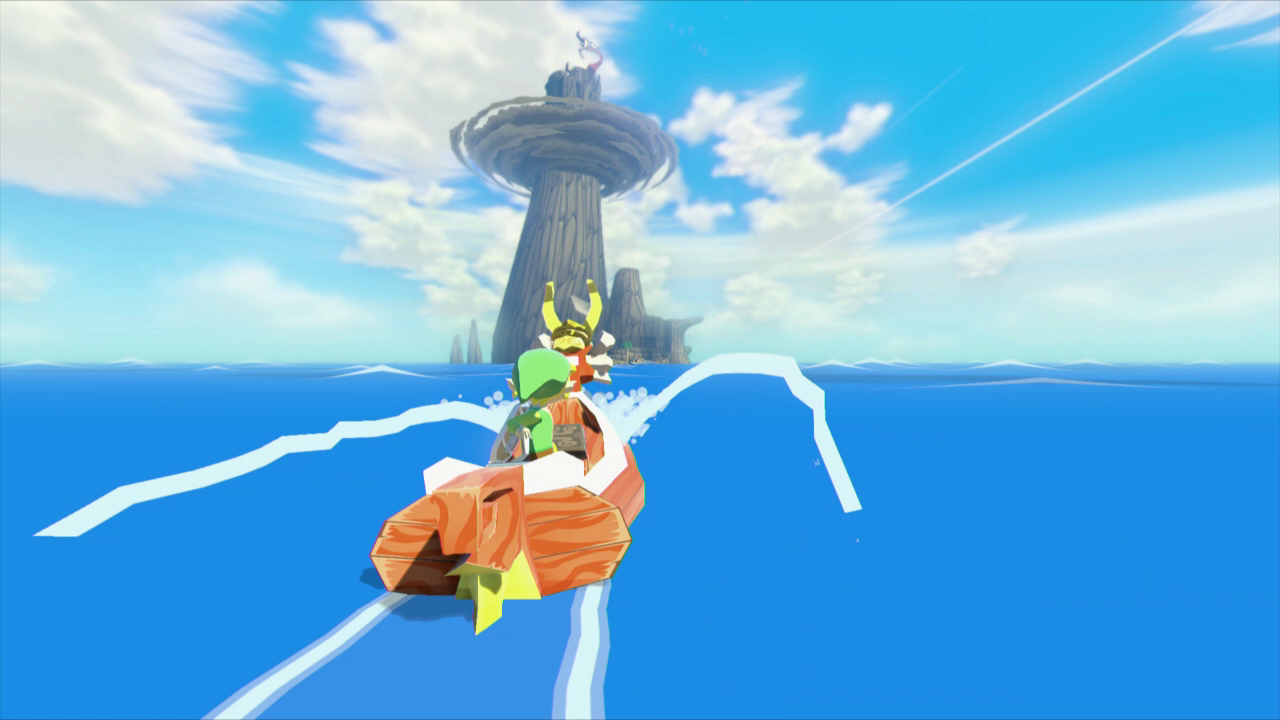
While sailing is fun, the GameCube version is hard to go back to because it’s far slower. Additionally, there’s a large amount of empty space, which seems to be a recurring theme in Zelda games—and a problem Nintendo has yet to properly address.
Outset island is a cozy starting area with a small forest and pig farm, in addition to Link’s home and some other houses. Windfall island, the main hub town, is the largest settlement in the game with a good selection of shops, side quests, and NPCs. For instance, there’s a school, bomb shop, and auction house.
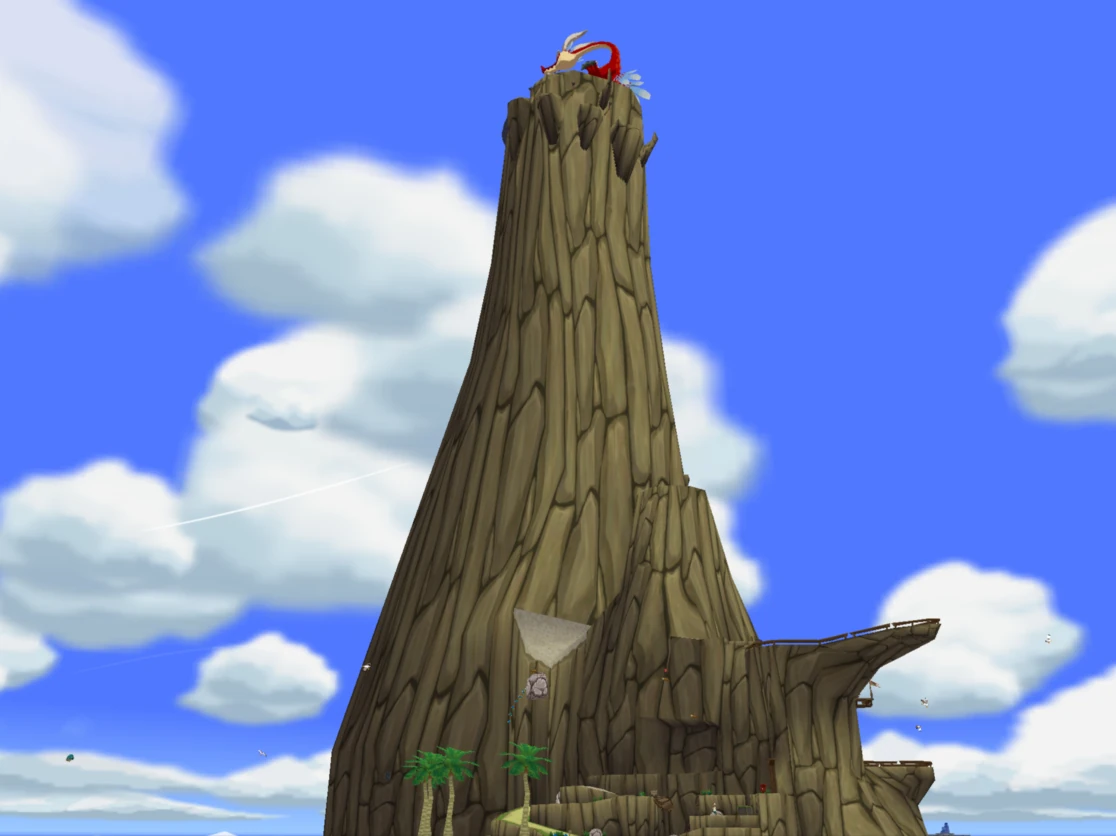
Other iconic locations include Dragon Roost island, where the Rito tribe live, and Forest Haven, where the Great Deku Tree and the Koroks reside.
Music
Wind Waker has iconic music, with Celtic-inspired melodies and updated Zelda themes to fit the ocean aesthetic.
You’ll hear a lot of flutes, fiddles, strings, bagpipes, and violins throughout the adventure. The Great Sea overworld theme is an uplifting and energetic theme that somehow never gets boring despite players hearing it for dozens of hours. The instrumentation in the track makes it feel as though you’re riding on waves and enjoying a cool breeze.
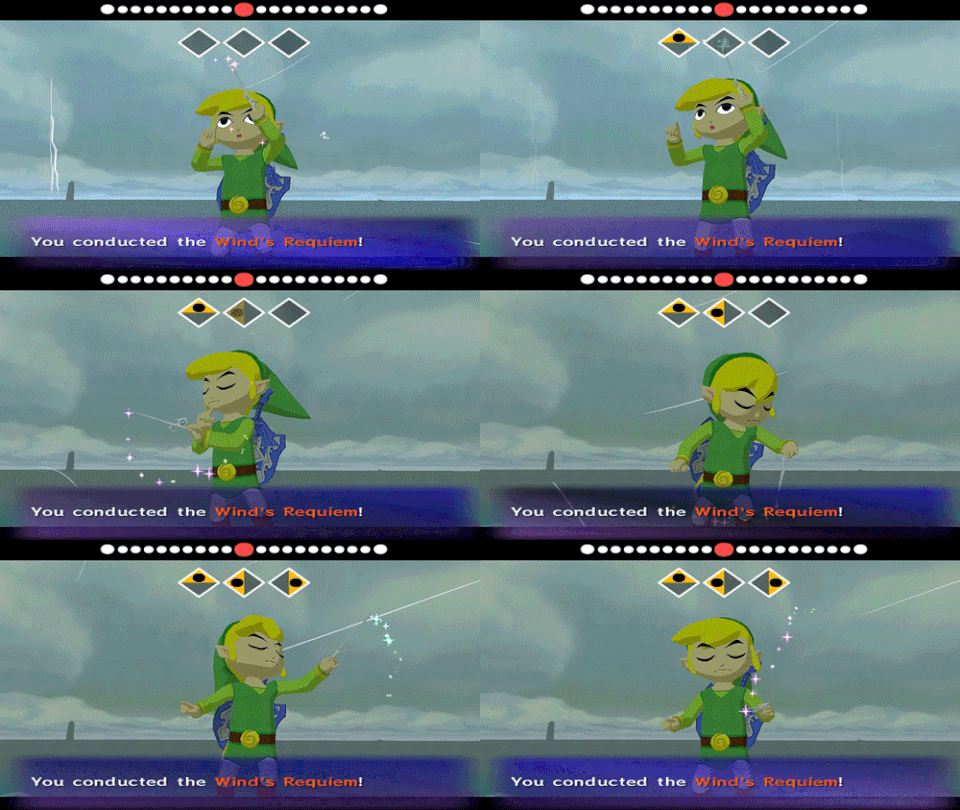
Dragon Roost Island’s theme has its Spanish-style guitar, helping it become a famous Zelda track. And Windfall Island is lively and cheerful, doing a good job in representing a busy town.
The dungeon music in the game, meanwhile, is suitably atmospheric, just like most Zelda games. I’ll be honest: they’re not my favorite dungeon themes in series history, but I don’t think any of them are bad.
Although the Wii U version did improve sound quality a little bit, it didn’t feature fully orchestrated renditions of the GameCube tracks like I think it should have.
Graphics
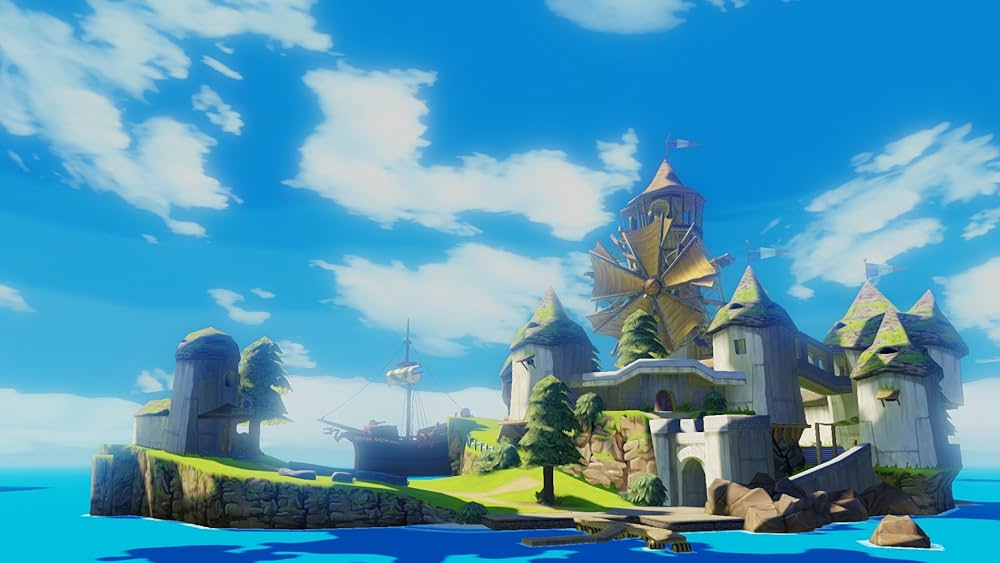
At the time it was announced, Wind Waker’s graphics were criticized for being “too kiddy” and “cartoony.” To be fair, the game was following Majora’s Mask, the darkest Zelda game ever released, so to follow that up with essentially a cartoon show was understandably confusing.
Wind Waker employed cel-shading, the technique responsible for giving games a cartoon look. Another example of this style of game is the GameCube title Cel Damage, which actually released before Wind Waker.
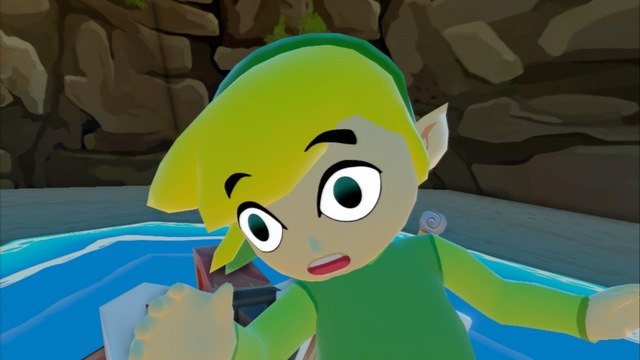
Characters like Link had big, cat-like eyes which allowed for more expressive face reactions. Textures could be simple with smooth gradients, which not only freed up processing power but also gave everything a timeless look—after all, bright, saturated colors don’t really go out of style.
Wind Waker is a game that made full use of its style, cleverly getting around technical limitations. In contrast, its sequel—Twilight Princess—had visibly poorer textures, which were only noticeable because they weren’t hiding behind cel-shading.
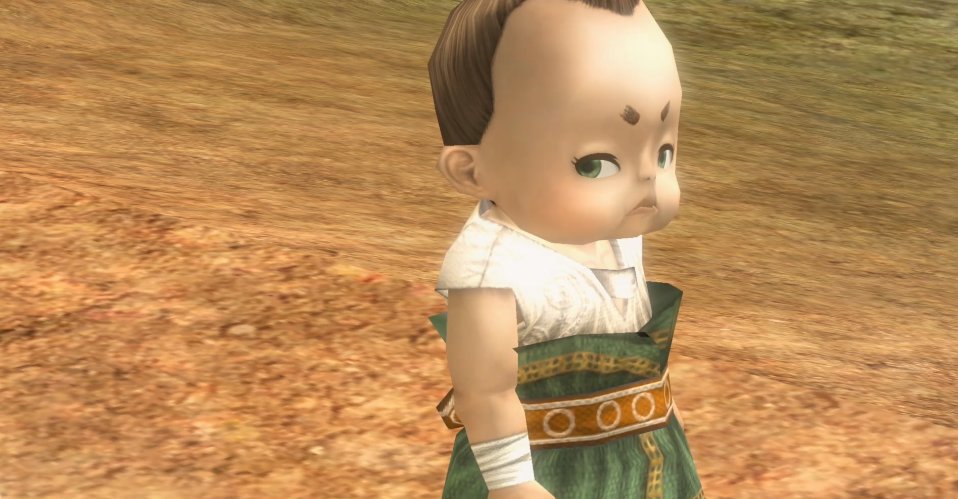
On top of that, the animations in Wind Waker were all appropriately cartoony and funny to watch. The game really did feel like you were playing a cartoon.
Overall, the graphics are a clear highlight of the Wind Waker experience, and I doubt anyone would argue that it’s aged worse than any other Zelda game.
Dungeons
Like every Zelda game pre-Breath of the Wild, dungeons are the main gameplay attraction (with perhaps Majora’s Mask being the exception). The dungeons here are similar in style to the prior Zelda games, only with some unique companion-based puzzles.
The forsaken fortress starts things off with the memorable stealth mechanic. Link arrives unarmed, so he must use barrels to sneak around and avoid getting caught by moblins. It is in this first dungeon that you see how well animated the enemies are.
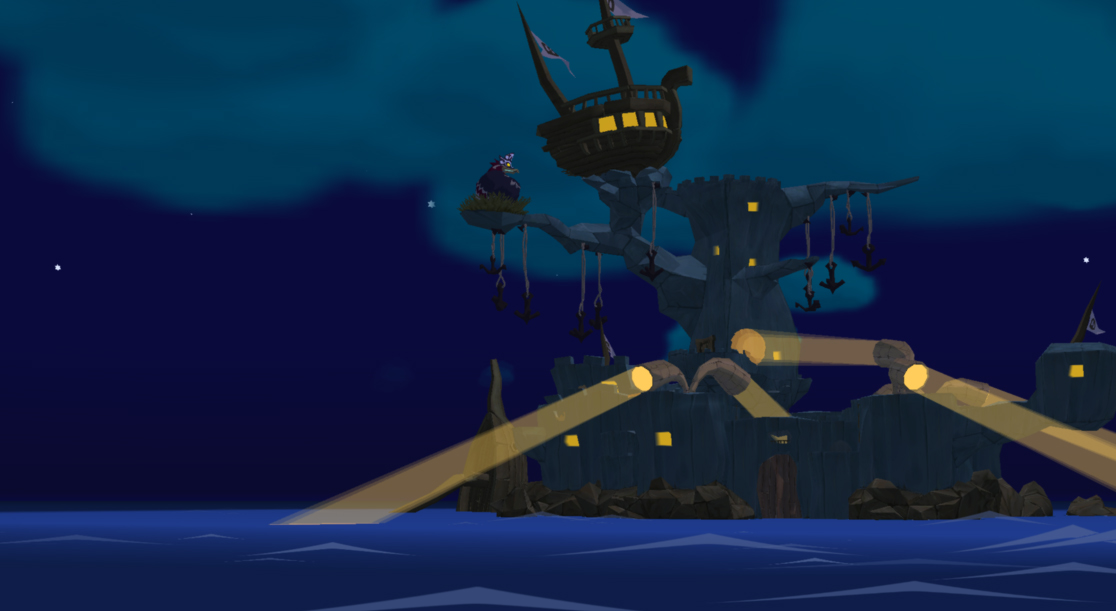
I won’t lie, I don’t like stealth in video games too much—never have, and probably never will. For that reason, the forsaken fortress left a bad first impression in my youth, and it took me a while to progress. Thankfully, future dungeons are better for me.
Companion-based puzzles, like Makar in the Wind Temple, and Medli in the Earth Temple, could be equal parts frustrating and fun. Thankfully, the Wii U version improved a lot of the issues present in the GameCube version, like speeding up character switching.
My favorite dungeon was the Forbidden Woods. I liked gliding around with the Deku Leaf item, and using it to play with wind physics in puzzle-solving.
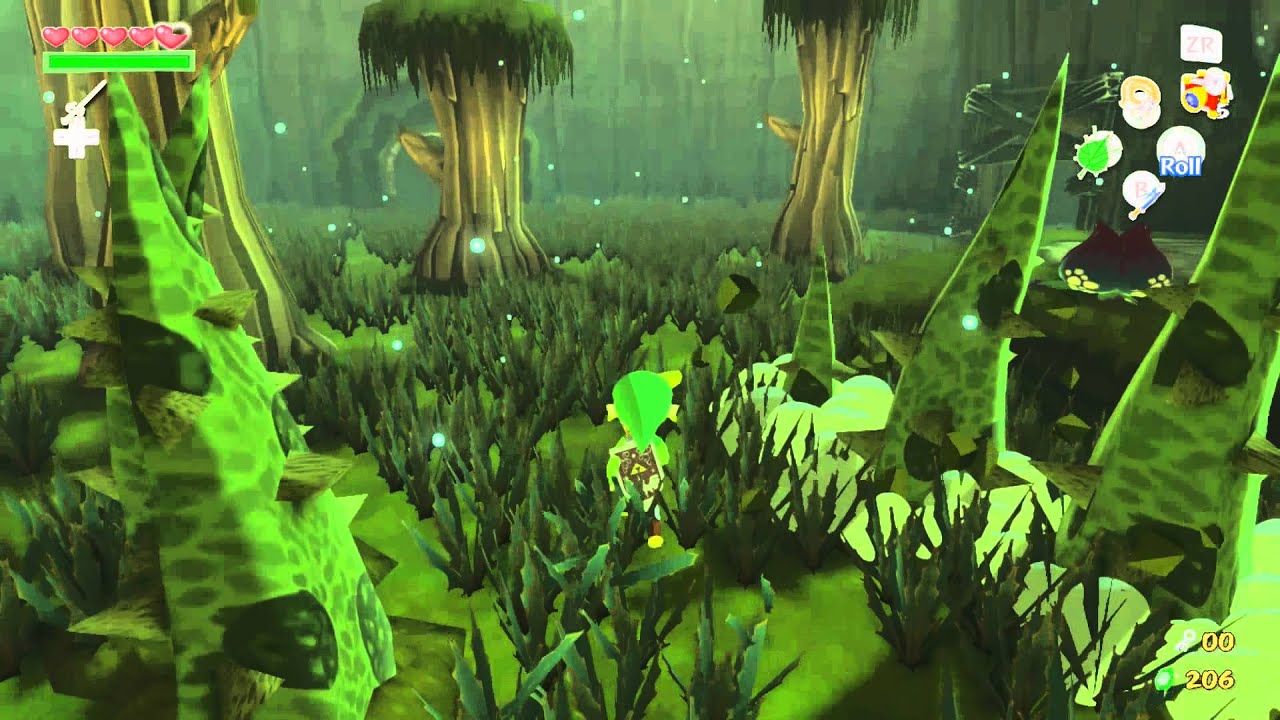
Overall, the dungeons in Wind Waker were good, but a step below Ocarina of Time and Twilight Princess in both quantity and quality.
Conclusion
Up until now, I’ve ranked the Zelda games plainly as better or worse, but in this case—the only case in this entire series—I’m going to give Wind Waker the same score as Twilight Princess. That’s right—I believe both games are essentially tied in quality.
Wind Waker is better in some ways. The overworld—the Great Sea—is more fun than Twilight Princess’ continuation of the Ocarina of Time style overworld. Perhaps that’s down to uniqueness, but nonetheless, being a pirate on the open sea just feels more special than riding around on Epona again.
Gameplay-wise, both games are neck and neck. Wind Waker on Wii U offered more improvements to the original experience than Twilight Princess HD did—but then again, Wind Waker’s original release had more glaring issues than Twilight Princess.
I highly recommend the Wii U version because it significantly improves the game in many ways. I’ll be honest, I can’t go back and play the GameCube version knowing that the Triforce quest is going to be a tedious slog or that sailing will be too slow. While the graphic improvements are mostly good, I believe the bloom lighting is a bit overwhelming. Wind Waker didn’t really need a huge change in graphics, and it almost seems like they should have saved that for Twilight Princess, which hasn’t aged as well as The Wind Waker.
And while the dungeons aren’t as good or plentiful as Twilight Princess, both games have a unique charm and style that really makes both worth playing equally. If this were a review, I’d give this game a 9/10—the same as Twilight Princess.
What do you guys think? Where does Wind Waker HD fit in your list? Do you like it more or less than Twilight Princess? Let me know in the comments below!
Thank you for reading. Don’t forget to subscribe to our YouTube channel, and click the bell icon so you don’t miss the next installment in our Best Zelda Games series. There’s only two more games left, and I bet you guys can guess which platform they’re on.